Using reverse mentoring to build an Age-friendly culture and future-ready skills
This case study from global biopharmaceutical company Sanofi UK and Ireland shows how reverse mentoring can help employers build an Age-friendly culture, encourage knowledge-sharing between generations and support employees to develop new skills throughout their careers.
Top tips:
- Give participants training, guidance and clear expectations from the outset
- Match mentors and mentees according to specific learning objectives and skills
- Secure visible support from senior leaders
- Build in time for mentoring, preparation and reflection
- Position reverse mentoring as a mutual learning opportunity, not a way of “fixing” older workers
What is ‘reverse mentoring’?
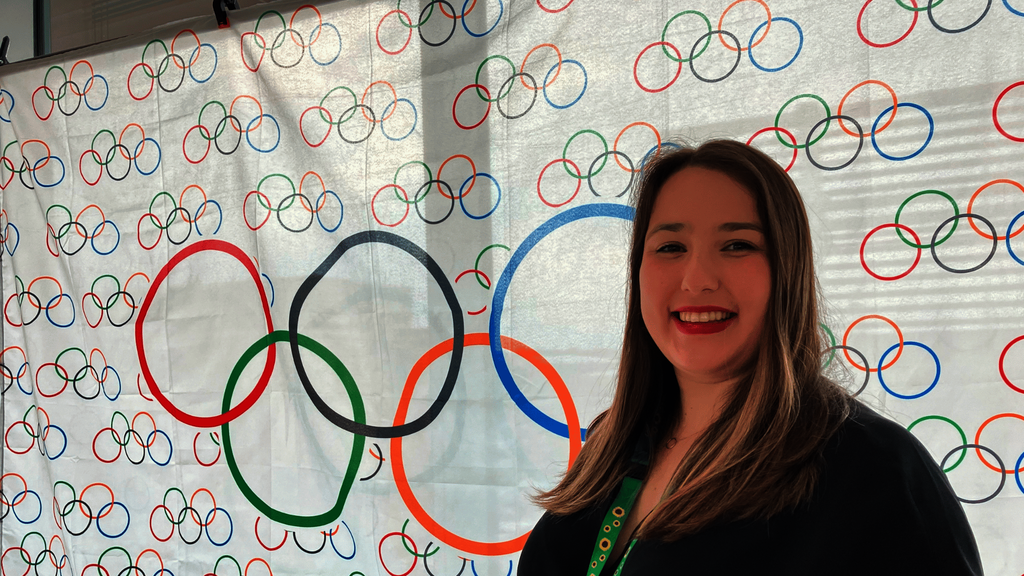
Sanofi’s reverse mentoring programme pairs employees in their early careers with senior colleagues, reversing the traditional mentoring relationship. According to Charlotte Bradley, Senior Regulatory Affairs Officer and co-lead of the initiative, the aim was to create “something that was measurable” and that would support the development of “future-ready skills” across the workforce.
Potential mentees were initially recruited from employees aged over 40, while mentors were invited from colleagues under 30. Mentees were asked what they wanted to learn while mentors were asked what skills they felt able to share, enabling organisers to make suitable matches.
The first programme created 30 mentoring partnerships involving 60 employees.
Participants received guidance materials and support before beginning six mentoring sessions spread across several months. Mentoring pairs agreed objectives, established confidentiality and created SMART goals to guide their discussions.
Learning across generations
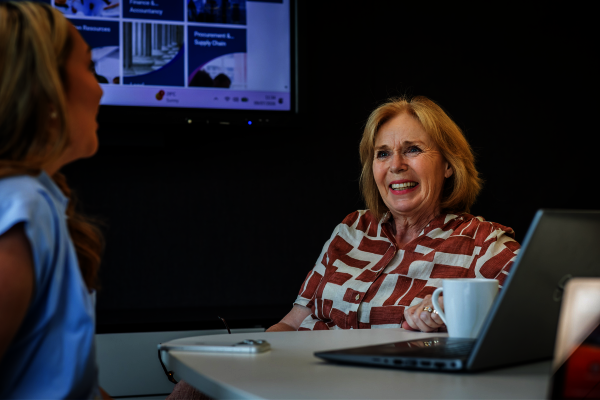
One of the programme’s mentees was Sue Knights, an NHS Engagement Manager with nearly 24 years’ experience at Sanofi. She joined the programme because she wanted to continue learning and remain up to date with changing technology and ways of working.
I realise I'm getting older and that I'm lacking in some skills that the Gen Z generation have, that was what encouraged me to take part.
Working with a younger colleague, Knights focused on artificial intelligence, productivity tools, LinkedIn and digital working practices.
“I’m an expert now on AI!” she says. “I wanted to try and come into the 21st century.”
She describes the experience as highly positive, praising the effort and preparation her mentor invested in each session.
“I had a phenomenal mentor,” she says. “She wanted to impart her knowledge as much as she could.”
The learning was not entirely one-way. Knights recalls that her mentor also discovered new tools and approaches while preparing for sessions.
Benefits for mentors and mentees
Feedback showed that participants gained more than technical skills.
Many discussions explored differences in attitudes towards work, communication and work-life balance across generations. Senior employees were also interested in understanding how best to support younger colleagues entering the workforce.
For younger mentors, the programme provided opportunities to build confidence and develop leadership skills, expand their networks and build relationships with colleagues they might not otherwise meet.
Challenges and lessons learned
The biggest challenge was finding time. Because mentoring sat alongside participants’ day-to-day responsibilities, scheduling sessions and preparing for them sometimes proved difficult.
“People get out of it what they put into it,” says Bradley.
Knights believes employers should consider allowing dedicated time not only for mentoring sessions but also for preparation and reflection. Another lesson was the importance of helping participants feel comfortable in unfamiliar roles.
“Younger colleagues aren’t used to being in a mentor situation and older colleagues aren’t used to being in a mentee situation,” says Bradley.
Providing training, clear expectations and regular check-ins helped overcome initial nervousness and build confidence.
Supporting the Age-friendly Employer Pledge
For Sanofi, reverse mentoring has become an important part of its age inclusion journey, which was boosted by signing the Centre for Ageing Better’s Age-friendly Employer Pledge. One of the five key areas of the Pledge is building an Age-friendly culture, which a scheme like this can support.
We weren't going to change the organisation overnight,
Says Knights. “We wanted to do one thing, take one action, do one thing really well. And reverse mentoring was something we thought would be really beneficial for the organisation.”
The success of the first programme has led Sanofi to expand the initiative and open participation to all employees, with visible support from senior leaders.
Most importantly, the scheme reinforces another key principle of the Age-friendly Employer Pledge: that employees can continue learning, developing and contributing at every stage of their careers. As Knights puts it: “Every day is a learning day. You learn something new every day and it really doesn't matter how old you are when you learn.”
What can I do next?
- Identify a clear business objective for reverse mentoring, such as digital skills, leadership development or age inclusion
- Provide training and practical guidance for both mentors and mentees
- Match participants based on learning goals and expertise
- Encourage participants to agree objectives and SMART goals at the outset
- Allocate time for mentoring, preparation and reflection
- Secure visible sponsorship from senior leaders
- Promote reverse mentoring as a mutual learning relationship that benefits employees of all ages