More than a quarter of people hold stereotypical views and may even discriminate on the basis of age without even realising it, according to new data from the Age Without Limits anti-ageism campaign.
Out of almost 5,500 people who completed the campaign’s Are You Ageist? multiple-choice quiz within days of its launch, 28% of respondents submitted answers which indicated “accidentally ageist” views including outdated ideas and misconceptions about ageing.
Accidentally ageist behaviour can include using phrases such as “you can’t teach an old dog new tricks” or “you look good, for your age” which more than half of people (55%) admitted to doing sometimes.
In contrast, two in five people (38%) demonstrate an ageing without limits mentality with a mostly positive attitude towards ageing by saying they would never use such phrases.
The Centre for Ageing Better believes the way we talk about age influences the way we feel about the ageing process and the way we act towards people in different age groups. Ageist language can underpin age discrimination and prejudice as well as cause the recipient of such language to think and talk about their own ageing in a negative and limiting way.
One in five people (22%) who took the quiz demonstrated ageist views overall showing that they hold a bleak perspective on ageing and what it means to get older.
Examples of ageist views include that older workers should retire to make way for younger people, or that they tend to be less able to learn new skills and are less productive - views that are held by almost one in ten people (8%) who took the quiz
The quiz, which forms part of the first-ever national anti-ageism campaign launched by the Centre for Ageing Better this year, has been designed to get people to reflect and consider if they might inadvertently hold negative views to age and ageing.
Evidence shows that a significant proportion of the population unwittingly holds ageist views shaped by the ageist attitudes embedded in our society. The Age Without Limits campaign is looking to challenge harmful ageism for the benefit of all in society as we age.
The campaign’s first-ever annual Action Day will take place on Wednesday 20 March with scores of events organised by community groups taking place the length and breadth of the country.
As part of this Action Day, the Centre for Ageing Better, supported by Age UK, is hosting a free four-day photography exhibition in London, which will challenge people’s perceptions of what ageing looks like and showcase the myriad ways we are ageing.
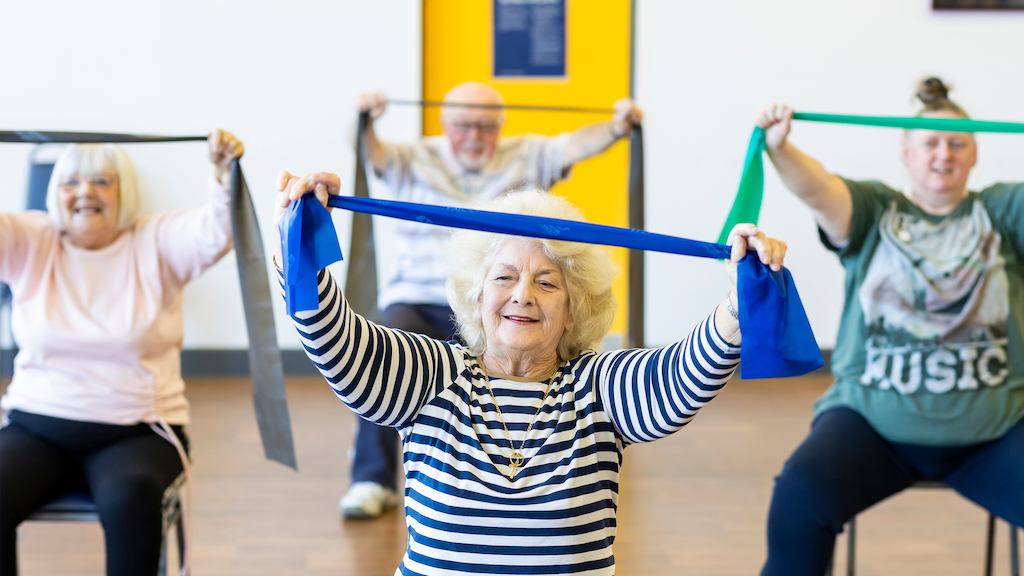
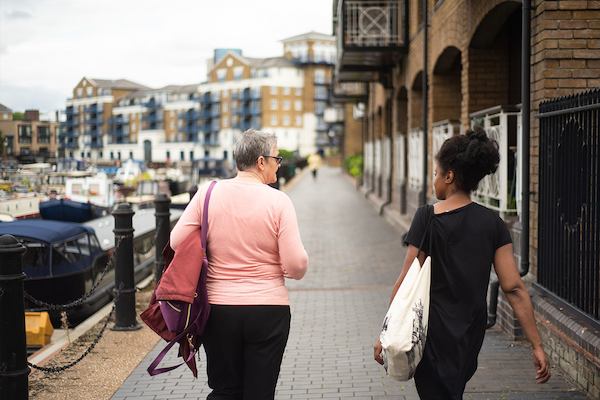
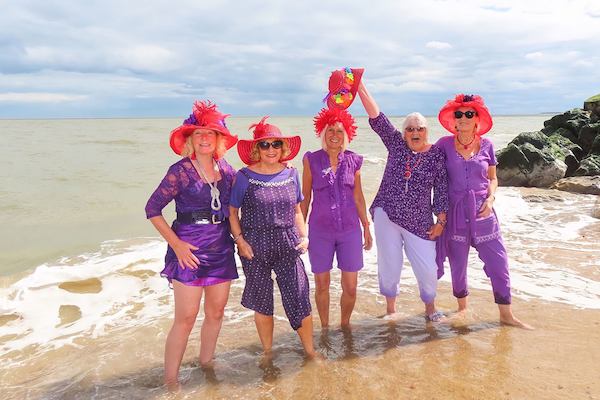
In 2021, the Centre for Ageing Better launched the country’s first free image library showcasing the wide range of experiences of people over 50 in a bid to challenge negative and stereotypical views of older age. Images from the library will be included in the Challenging Ageism: See and Be Seen exhibition, where attendees will also get the opportunity to take the Are You Ageist? quiz for themselves.
According to the charity, negative societal portrayals of ageing contribute to how people feel about getting older. And older people with more negative self-perceptions of their own ageing are more likely to have depression and to have worse quality of life than those with more positive outlooks.
One in seven people (14%) taking the Are You Ageist? quiz said they feel really down about getting older and dread their milestone birthdays. A further one in five (20%) will try to keep an upcoming milestone birthday quiet, only mentioning it to a few friends on the condition their age is not discussed.
While nearly half of those (49%) who took the quiz are ageing without limits, the results suggest more needs to be done to challenge ageism for the benefit of us all as we grow older.