
Fears over lack of support for LGBTQ+ population
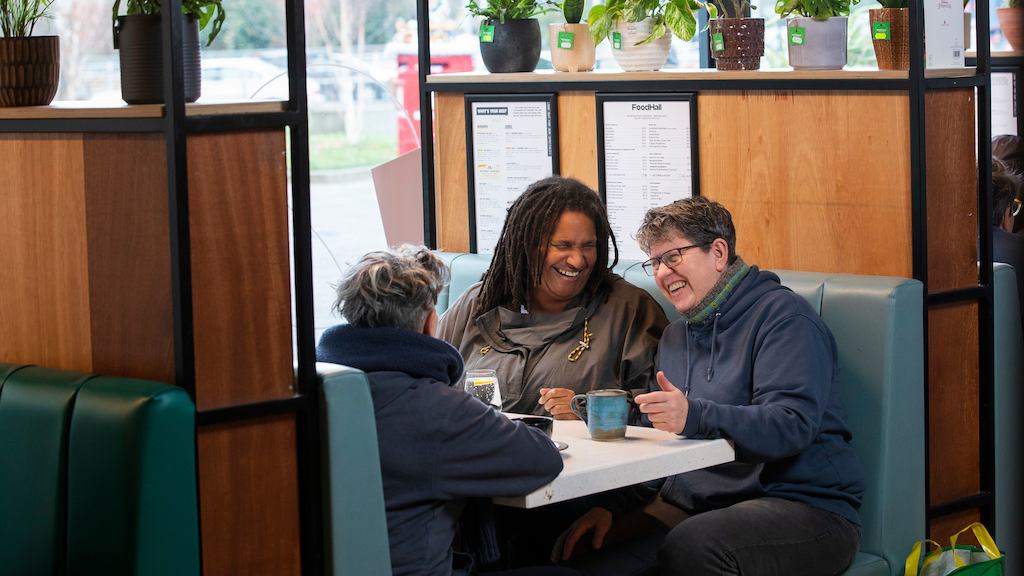
The Centre for Ageing Better’s new State of Ageing report shines a spotlight on the older LGBTQ+ community – a population that is often overlooked in data, policy and service provision.
The new spotlight highlights a need for more tailored service provision for a section of the population that is growing at a much faster rate than the 50+ population in general.
A rapidly growing older LGBTQ+ population is facing a future of poorer health, more limited finances and greater social isolation than their heterosexual peers without urgent action, a new report is warning.
New analysis from the Centre for Ageing Better reveals the increased risk of social isolation facing older LGBTQ+ people, with more than half of gay and bisexual men aged 65 and over living alone, compared to less than a quarter of heterosexual men.
Gay men aged 50-64 (39%) are more than twice as likely as their heterosexual peers (17%) to live alone while bisexual women aged 50-64 (31%) are twice as likely as their heterosexual peers (15%) to live alone.
Only around half of gay and bisexual men aged 50 and over (55%) definitely agree that there would be someone to help them if needed – which is 14 percentage points fewer than for heterosexual men (69%) of the same age.
The newly released State of Ageing LGBTQ+ spotlight report from the Centre for Ageing Better shows that LGBTQ+ people face preventable disadvantage as they age in terms of housing, social connection, employment, financial security, health, care and support, and access to appropriate services.
The report warns that greater tailored service provision is needed urgently because of the speed in growth of the older LGBTQ+ population.
Between 2019 and 2024 the number of LGB people aged 50 and over in the UK increased by a third – from 343,000 to 457,000.
This compares to a 4% increase in the number of heterosexual people aged 50 and above over the same period.
The growing LGBTQ+ population also faces a scarcity of specialist services in a postcode lottery of provision.
While London has 44 voluntary services for over 50s listed in the LGBT Consortium members list, there are just two in the East Midlands, which has a population of LGB+ people aged 55 and above totalling more than 13,000.
There are also just two services listed in the North East, which has an older LGB+ population of nearly 7,000 and covers a geographical area of more than 3,000 square miles.
Greater risk of financial insecurity is another disadvantage that LGBTQ+ people face when heading into older age according to the new State of Ageing spotlight report. Less than half of all LGBTQ+ people aged 18 and over (49%) are on course to cover their financial needs in retirement – more than ten percentage points less than for the rest of the population in this age group (38%).
Evidence shows that older gay men may be at highest risk of material deprivation, where they cannot afford basic goods, services, and social activities, while research centred on London has found that older trans people, and older LGBTQ+ people from racially minoritised backgrounds or who are disabled, may be especially economically disadvantaged.
New analysis of the data also reveals a significant health gap between LGB people and heterosexual people once they reach 50.
The spotlight report highlights the proportion of bisexual women aged 50-64 reporting bad or very bad health (16%) is double the proportion of heterosexual women (8%).
It’s a similar situation for men in this age group with 14% of bisexual men compared to 8% of heterosexual men reporting bad or very bad health.
LGB+ people aged 50 and over (17%) are almost twice as likely as heterosexual people (9%) to be living in private or social rented housing.
This difference is significant because rental housing poses a greater risk to people’s health: these homes are more likely to be non-decent that are damp, cold and hazardous. Living as a renter is also more damaging to financial prosperity as people get older, with privately renting pensioners three times more likely to be in relative poverty than homeowners.
The number and percentage of older LGBTQ+ people in England has increased significantly over the last ten years, and these numbers are only set to increase further and faster in the future.
“The cumulative disadvantage that our spotlight report highlights is often the result of a lifetime of homophobia and transphobia, which can significantly affect wellbeing and quality of life. While older LGBTQ+ people have been at the forefront of great social progress, they have also weathered societal discrimination including criminalisation and abusive conversion therapies in the most extreme cases. Now in their later lives, older LGBTQ+ people face the additional and overlapping challenge of ageism.
“To respond to the disadvantages that the older LGBTQ+ population faces, there must be greater recognition of their needs in policymaking and service delivery. Older LGBTQ+ people have legitimate concerns about discrimination in service provision, which can result in people delaying or avoiding access to services they need.
“Many older LGBTQ+ people prefer to access LGBTQ+-led services, but these tend to be only available in places where there are large LGBTQ+ populations, and many voluntary organisations that provide these services are insecurely funded or experiencing funding cuts. Involving members of LGBTQ+ communities in the design and delivery of services is vital to ensure a full range of needs are considered.”
In the report, the Centre for Ageing Better is calling for the government to plan for the current and future needs of older people with LGBTQ+ identities and ensure better provision is made for older LGBTQ+ people’s distinct care and housing needs.
The Centre for Ageing Better also urges the government to establish a Commissioner for Older People and Ageing, as recommended by the Women and Equalities Committee and more than 70 civil society organisations, to better plan for our ageing population which is expanding and diversifying at a significant rate. A commissioner should engage LGBTQ+ groups and other marginalised communities on key issues impacting them and consider making specific recommendations.
The report also recommends amendments are made to the Equality Act (2010) to provide better protections for older people and better address intersectional inequality. The Women and Equalities Committee’s The rights of older people report found that current equality law fails to adequately protect and enforce older people’s rights, including failing to reflect the inherently intersectional nature of age discrimination.
Strategic authorities, local authorities and integrated care boards are also being urged to involve older LGBTQ+ people in the design of services, either by co-designing mainstream services or by providing specific services in collaboration with LGBTQ+ groups, particularly in areas of high demand.
Dr Aideen Young, Head of Research and Analysis at the Centre for Ageing Better, said:
“Older LGBTQ+ people are a growing but overlooked group facing preventable inequalities in later life—yet they remain largely invisible in data, policy, and service provision. Urgent action is needed to improve evidence, inclusion, and support in our communities and care systems.
“While our spotlight aims to address the invisibility of older LGBTQ+ people in data and in discussions about our ageing population, more needs to be done. It is a glaring oversight that not all people’s lives and experiences in this country are visible in national data. Quantitative data on older LGBTQ+ people’s lives is lacking as the data that is currently available overlooks differences in sexual orientation, gender identity and intersections such as with ethnicity or disability. If people are not being counted, they are not being accounted for in policymaking and service design.
“Our report is recommending that organisations which conduct surveys, such as the ONS and government departments, should collect data on sexual orientation and gender identity with a sample size that enables disaggregation by age to be published in official statistics.
“Organisations that collect administrative data during service provision, such as GP surgeries and care providers, should also ensure data collection is accurate and robust and follows existing standards and legislation.
“Only then will we start to understand what challenges and barriers specific groups face that currently restrict them from an equal opportunity to experience the healthy ageing everyone deserves.”
Lizzie Gent, network member of Ageing Better Voices, said:
"I welcome this very timely report spotlighting the experiences of older LGBTQ+ people.
"The fear as we age - and contemplate greater care and different living arrangements - that we may need to go back into the closet after a lifetime of being out and open about our sexuality and gender identity is a very real one.
"Too often older LGBTQ+ people are regarded as simply ‘old’ and as a problem that needs dealing with. This ignores the rich, varied, amazing and remarkable lives many of us have lived, and the achievements of surviving in a world that does not always recognise or acknowledge us, and can be increasingly hostile."