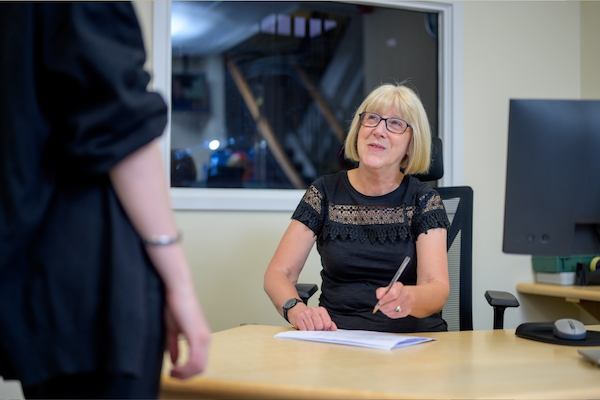
Older people working past state pension age are estimated to contribute more than £60 billion to the UK economy directly each year, the equivalent of four times the projected annual cost of implementing the Triple Lock, new analysis from the Centre for Ageing Better reveals.
With 65+ workers now accounting for one in 25 of the UK workforce, it is estimated that those working past state pension age contribute around 2% of the country’s total GDP.
This economic output equates to around three times the annual police budget and is significantly larger than the annual increases to the NHS day-to-day spending planned for the rest of the decade.
The new Centre for Ageing Better analysis also estimates that those working past state pension age generate around £6.8 billion of income tax revenue and employer NICs annually.
This annual income tax revenue is larger than the total tax paid in the UK by giant multinational corporates such as Amazon and Tesco.
The new analysis reflects the growing number of people working past state pension age with the 65+ age group currently experiencing the fastest growth in employment, in both rates and numbers, of any age group.
The employment rate for this group has more than doubled since 2000 and currently sits at 13.2%. More than 180,000 people in this age group have joined the workforce in the last year alone bringing the overall number to a record 1.7 million people.
Trends also indicate workers past state pension age earning greater income than previously. Analysis of recent labour market stats show that workers aged 65+ earn on average around half (51%) the median weekly pay of workers aged 35-49 - a substantial rise from 40% a decade ago.
As a result of this rising labour market participation, coupled with frozen income tax thresholds, a higher proportion of those aged 65 and above (65%) now pay income tax compared to those aged 16-64 63 %).
Dr Andrea Barry, Deputy Director for Work, Retirement and Transitions at the Centre for Ageing Better, said:
"Our analysis of the post state pension age workforce is further evidence that retirement in this country is changing. The traditional retirement cliff-edge, where people moved directly from full-time work to no work, is no longer the case for the majority. Government policy needs to catch up with this fundamental change.
“The government should undertake a holistic review of its approach for people in their 60s so that policy better reflects the needs of this changed reality. It is important to recognise that a record number of workers past state pension age probably has more to do with demographic changes than any great progress or removal of barriers for older workers in the labour market.
“Ageism, health conditions and caring responsibilities are all barriers stopping many more people continuing to work even up to state pension age, let alone beyond it. While the 65+ workforce is growing at a strong rate, the sizeable majority leave work before state pension age.
“There are actions that government and employers can take to lower these barriers and ensure that the impact of the post-state pension age group is even greater for the country’s economy.
“More employers adopting, and being encouraged by government to adopt, a flexible about flexible working approach, paid carers’ leave and work cultures with open discussions about employee health and health support, would all go a long way to ensuring the 65+ age group delivers even more bang for its buck.”
Dr Karen Hancock, Economist and Research Analyst at the Centre for Ageing Better, said:
“People working past state pension age in the right work for them can enjoy many benefits including a sense of purpose, cognitive stimulation, order and routine as well as feeling part of a team and the social interactions that being in work can offer.
“Those benefits also spread to the wider economy as we see in the significant and growing economic output of this age range. And those benefits are also felt by employers as studies have shown that multigenerational workforces are more innovative and productive. The challenge is currently that many of those working past-state pension age are doing so because they want to, while those who have a financial imperative may find it harder to find work.
“Around two in three people working past state pension age say they work for enjoyment, health, purpose or other non-financial reasons while a minority say they stay on for some form of financial reason – for example, being unable to afford retirement (14%) or wanting to improve their finances (21%). Many people leave the labour market before state pension age not of their own volition and without sufficient financial resilience to experience retirement without poverty, discomfort and difficult choices.”