Bournemouth, Christchurch and Poole’s Age-friendly Journey
Age-friendly Bournemouth, Christchurch and Poole joined the UK Network of Age-friendly Communities in 2022 as part of their ambition to make their community a better place to age. This case study outlines their age-friendly journey so far, including how they completed 97 actions on their first Age-friendly Action Plan, and grew their Age-friendly Network from 10 to 120 partners.
Overview
Bournemouth, Christchurch and Poole (BCP) is getting older. More than one in three people living in BCP are aged 50 or over, and by 2031 more than half of the population will be 50 or over. This demographic change brings opportunities, but also risks putting pressure on local transport, health, housing and community services.
To respond, Age‑friendly Bournemouth, Christchurch and Poole was established as a programme that brings organisations and communities together to make BCP a better place to grow older. At its heart is a shared belief that ageing well is everyone’s business, and that change happens best when people work together.
Planting the seed: political commitment
Age‑friendly BCP began when BCP Council made ageing a strategic priority. In 2022, the council formally committed to supporting the aims of Age-friendly Communities to ensure that all residents can age safely in a place that is right for them, continue to develop personally, contribute to their communities, and feel valued.
To help realise this ambition, BCP Council prioritised recruiting a dedicated Age‑friendly Coordinator at the outset. This role was created to lead the programme, connect partners and keep momentum going.
In the first year, BCP also joined the UK Network of Age‑friendly Communities, giving the programme access to tools, guidance and peer learning from other places across the UK.
Together, these foundations – political backing, dedicated coordination and national support – put BCP in a strong position to begin building local partnerships around ageing well.
Developing roots: establishing governance and partnerships
As the programme took shape, BCP was clear about the need for both strong governance and broad involvement of many organisations and local groups.
The Steering Group
A small Age‑friendly Steering Group was set up to guide the programme. This group brought together a range of strategic partners and took responsibility for:
- setting direction.
- agreeing priorities for action.
- overseeing progress.
The Steering Group acted as the governing body for Age‑friendly BCP, making sure the work stayed focused and joined up.
Core membership of the Age-friendly Steering Group covered all the World Health Organisation's Eight Domains. Members included Adult Social Care, Bournemouth University, U3A and a local housing association.association.
The Age‑friendly Network
Alongside this, BCP began to grow a much wider Age‑friendly Network. This network included voluntary organisations, community groups, public services, businesses and others. What they all have in common is that their work impacts older people across BCP.
The purpose of the network is to help organisations share learning, avoid duplication and work together to make practical improvements for older residents.
The Steering Group and the Network play different but complementary roles. The Steering Group provides leadership and coordination, while the network turns ideas into action on the ground.
Starting to grow: the action plan
In 2023, Age‑friendly BCP published its first Age‑friendly Action Plan, supported by BCP Council. The action plan set out 100 practical actions, to be delivered over two years through the Age‑friendly Network.
The actions were shaped by partners in the Network, drawing on:
- existing knowledge and insight.
- connections with local communities.
- learning from other age‑friendly places across the UK.
The plan included actions across all the World Health Organisation Eight Domains, such as improving access to information, supporting healthy ageing, strengthening communities and making services easier to use for older people.
Actions were wide ranging. They included actions to increase internal understanding of, for example, information from older adults about their experience of community and public transport. They also included more tangible actions such as developing Age-friendly training for the Network, covering what an age-friendly community is and what it needs, how to communicate in an age-friendly way and how to stay aware of ageism.
The Age‑friendly Coordinator supported delivery by:
- Connecting organisations that could help each other.
- Sharing learning across the network.
- Helping partners stay focused on their commitments.
Each organisation took responsibility for delivering – and funding – the actions they signed up to.
Partners saw this as a chance to do things better: working more efficiently together, improving awareness of services, and reducing duplication.
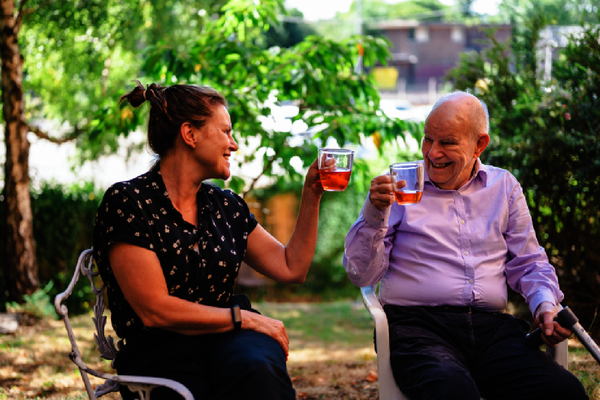
Through BCP’s Age-friendly Network we worked collaboratively with another community transport charity to focus their service on getting people to support groups and ours to social groups such as lunch clubs. So, you’re expanding the reach of both charities, but offering a better service to the community at the same time.
The action plan acted as a shared “to-do list” for the programme, making roles, timescales and shared ownership clear.
A key strand of the action plan focused on creating better understanding of the experiences of older people in BCP. This included producing a local State of Ageing in BCP report, which brought together data and insight to give a clearer picture of later life locally.
Interested in having a better understanding of ageing in your own area? Our free benchmarking tool provides a snapshot of key data available at the local authority level to help local councils and organisations in England better understand their ageing population. Have this in a box separate to the case study on side
This evidence base helped the programme focus on what mattered most to older people across BCP.
What [BCP’s Age-friendly Network] does take is people’s experience and their expertise and their willingness to want to do something combined with someone saying to them “yes, that’s a really good idea.
Seeing the fruits: the impact
Over the two years the action plan was live, the network completed 97 actions. Throughout this time BCP saw a number of changes, some expected and others that snowballed from the wider movement they built.
Planned action
There were a broad range of actions delivered, leading to real changes across services, communities and organisations involved in the network.
One area where BCP saw significant changes was social housing. The Age-friendly Community Coordinator worked closely with the Housing Association Charitable Trust (HACT) to increase collaboration between local housing association organisations by developing an Age-friendly Housing Group.
They created opportunities for residents living in and around housing association properties for social interaction and to hear about key support organisations in the local community. Residents were enabled to start their own projects for improvement through the ‘Make it Happen’ fund.
New ideas and unexpected outcomes
Many of the completed actions went beyond their original aims, acting as catalysts for new ideas, partnerships and activity. As organisations collaborated, they identified further opportunities to build on their work and extend its impact.
Mini case study: Age Well Ambassadors
One action focused on supporting older people to become Age-friendly Ambassadors. Ambassadors commit to raising awareness of healthy ageing and helping people engage with opportunities in their communities, including sharing information and amplifying residents’ voices in local research and decision-making.
As the programme developed, it became clear that ambassadors also brought a wide range of skills, interests and experience that could further strengthen age-friendly activity in their communities.
For example, one ambassador developed a resident support sheet to help others signpost people to key local organisations. This resource was shared with over 900 residents through Poole’s U3A network.
In another example, an Age-friendly Ambassador drew on her passion for photography and poetry to create a visual exhibition exploring attitudes to ageing. The exhibition, Vintage Idols, sparked positive conversations about age and ageing and gained local, national and international attention.
Through supporting ambassadors, the programme not only raised awareness of healthy ageing but also unlocked new community-led initiatives and helped shift perceptions of ageing within the local area.
Inspiring others to get involved
The action plan gave Age‑friendly BCP a clear and tangible way to explain what being age‑friendly meant in practice – and why it mattered. This helped attract new partners, with the Network growing from around 10 organisations at the start to more than 120 over two years.
Having an age-friendly network meant that we were able to take learning and understanding from the wider group and translate into a clear offer for businesses. But it also meant that we were able to use the network as a channel to work more collaboratively with the local authority.
What’s next
With a strong and active network now in place, Age‑friendly BCP is increasingly able to connect with other local priorities and take advantage of new opportunities.
Following a review of its first action plan, BCP is now developing a new Age‑friendly Shared Framework of action, an adapted model for their second action plan. This will build on the momentum created, remain accessible and practical, and continue to support BCP in becoming a better place to age.
It all helps to make BCP a really lovely place to live. Everything that we do for older people also benefits absolutely everybody else in the community.
Interested in developing a similar approach to BCP? Read our getting started delivering your age-friendly communities guide.
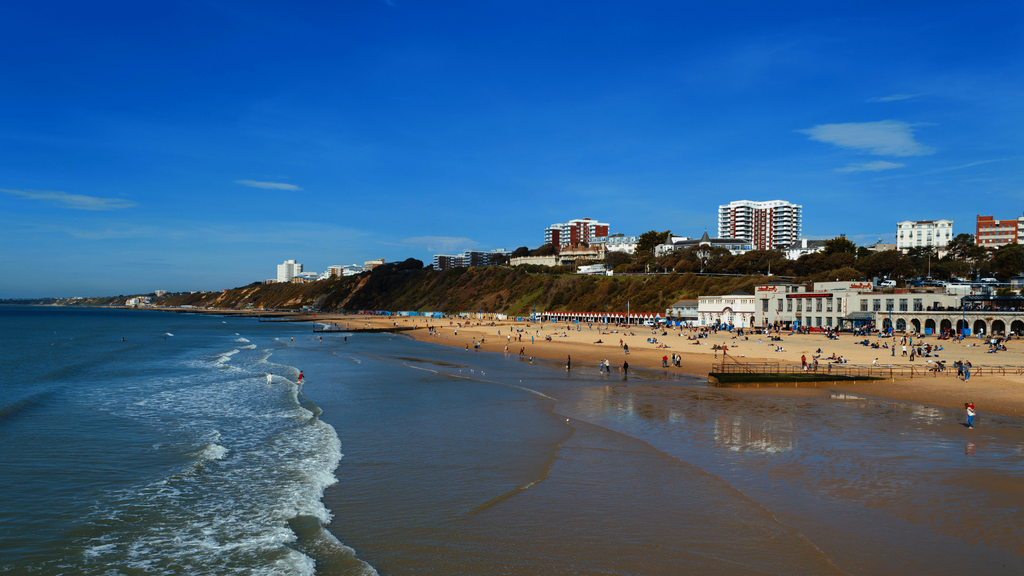
Photo of Bournemouth beach by JackPeasePhotography,