Peter’s story: Holidays for everyone and designing for inclusivity
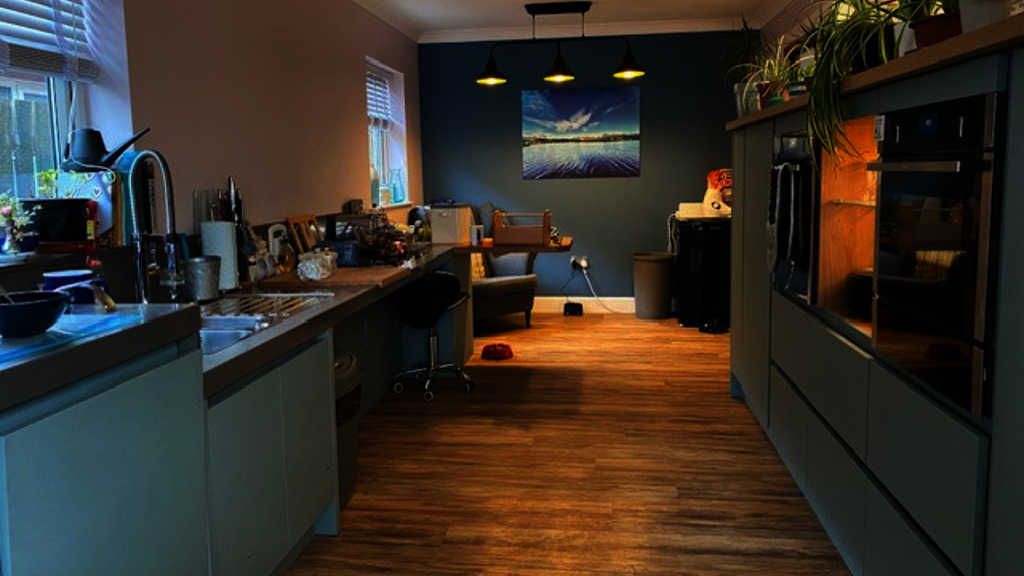
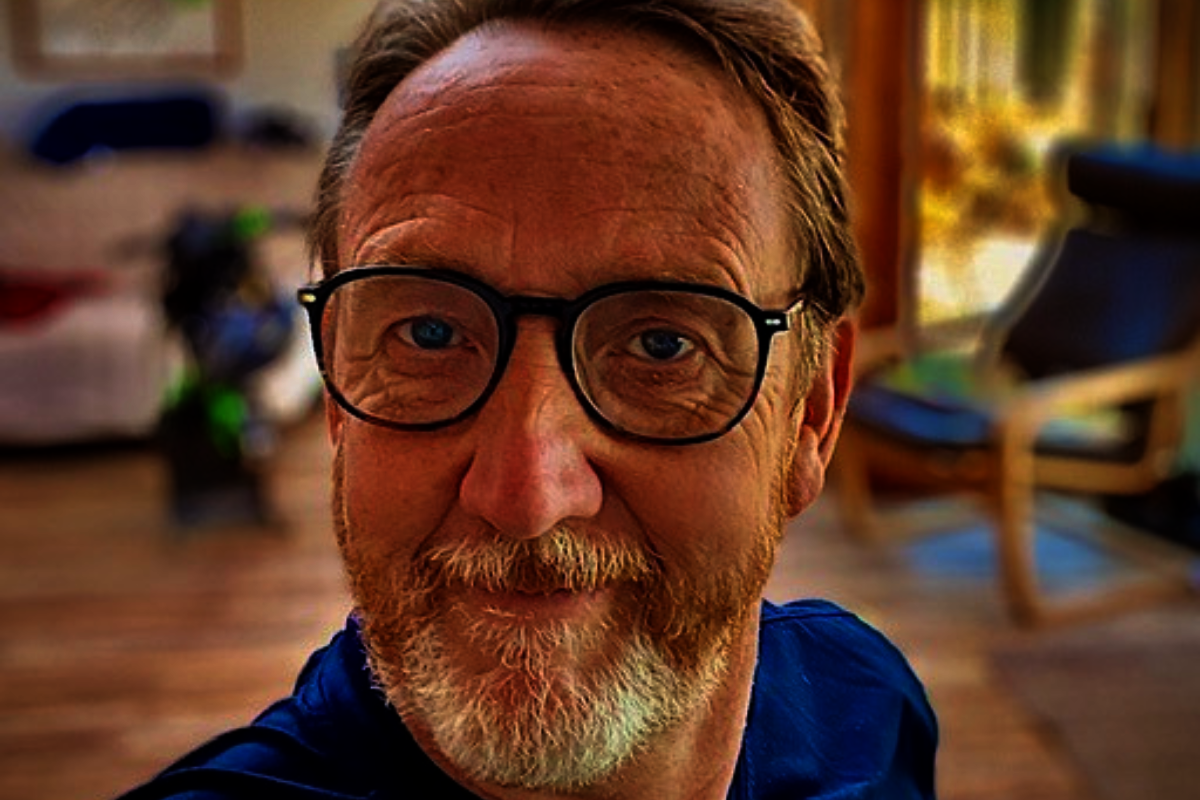
Peter lives in Norfolk with his partner and two dogs. Eighteen years ago he was involved in a motorcycle accident that left him paraplegic and he is now a full-time wheelchair user.
He was able to use the skills and knowledge to explore a new line of work to solve an issue he had personally faced many times before; finding suitable accessible accommodation for holiday as a Disabled person.
Today, Peter shares with us his experiences as a Disabled person and how we can all start thinking better about designing for inclusivity.
With fewer than one in ten homes in England with sufficient levels of accessibility, finding the right place to live for Disabled people is difficult. But holidays present a similar challenge.
Peter describes what it is like to try and book holiday accommodation as a wheelchair user.
If you go to places that are wheelchair accessible or are modified - hotels are the biggest one - usually the accessible room looks over the car park and is next to the lift. You can't have the suite with the sea view and all that sort of thing. You feel very much like you get pushed into the corner.
His experience with Airbnb has been similar. “Airbnb are very good with the accessibility filters they have which cover a lot of things. But almost as you start to put one filter in, the figure of available properties that was maybe 1000 literally dropped to two. Now you could make that even worse by saying I want to take a dog with me. Zero. You feel yourself getting sort of boxed up.”
Fortunately Peter was in a position to do something about this himself. He was able to buy a holiday bungalow in Norfolk that he modified to make work for him.
This involved getting rid of steps to get into the house and converting the bathroom to a wet room. “That’s really all it took.”
Peter quickly realised the value of an accessible property on the holiday let market when more and more people who he knew through his work on accessibility were asking to stay at his bungalow.
So when other similar houses came up for sale nearby, he purchased them and took up the opportunity to develop accessible properties that could be rented on Airbnb.
Peter rapidly discovered that his accessible holiday lets were in demand with a high take-up from guests outside of peak season, as well as for longer stays.
Flexibility is a big issue because not everybody’s disability is the same. And the way they live their life with that is not the same. It’s great if you can go away and stay somewhere and it’s right and it’s ready for you. It makes so much difference.
“I think of the number of hotel rooms I’ve had to get changed because I booked what I thought was the right hotel room, to get there and find it just doesn’t work. That just makes you feel a bit rubbish actually.”
He highlights the importance of not only being flexible in the design of places, but also in your approach by ensuring you ask guests what their needs are.
“Only having things there that you need to have. For example, if you need to have a commode shower chair, we could leave one there. But if you didn’t, that would be taken out to be stored in the garage, out of the way, because they’re not the most attractive thing in the world.”
For one of his Airbnb renters for example, he accepted a delivery of oxygen bottles before their arrival so that they didn’t have to worry bringing them in their car.
He recognises that there are some things that can be done to flexibly support a guest, and some things that can’t.
And where Peter isn’t able to help someone with their need, he can often point them in the right direction to buy or rent what they need to, like a hoist.
It's a very big market. People with a disability, they want to spend money on experiences like going away on holiday.
“Similarly the demand for accessibility in the housing and rental market again is high and it is getting bigger the longer we live. From my experience, I would say it doesn't really cost you anything more to build in accessible features if you do it sensibly.”
Based on his personal experiences, he also encourages individuals to plan ahead for what their accessibility needs might be in the future.
“My advice would be don’t think about how you are now. Think about how you’re going to change over the next 20 years or so. My change from being able to being disabled was through an accident. It was a sudden thing that happened to me. But everybody gets older and that transition from able to disabled might be much more gradual.”
“Think about whether the house be modified so you can get upstairs? Or alternatively, can it be that you could live downstairs? You don’t have to have it all done now. But just doing the preparatory work in there, that’s going to save you so much aggro and so many problems later on.”