Pride in Place Regeneration Needs to Deliver For All Generations
The government’s Pride in Place Programme will see areas across the UK receive up to £20 million of funding and support over the next ten years to make long-term improvements to communities.
An understanding of good public realm design and meaningful community engagement are key to ensuring an age-friendly transformation of our communities, writes our Programme Manager for Homes and Communities Bianca Rossetti.

Neighbourhoods up and down the country are set for a significant overhaul over the coming years.
Following last month’s update, there will now be around 300 places set to receive funding from the government’s Pride in Place Programme, sharing between them more than £5 billion in funding over the next decade.
Community regeneration has a somewhat mixed history in this country, but the government is promising it will learn lessons from the past and empower communities by putting decision-making power in the hands of the people who know their neighbourhoods best.
Neighbourhood Boards are now being formed across the country to decide how Pride in Place funding should be used locally. Should it be spent regenerating the town square, local community centre or social club, developing new arts, cultural, heritage and sport initiatives or funding the rollout of new programmes or services to tackle local places’ most pressing issues?
At Ageing Better, we know communities and neighbourhoods become increasingly important to us as we age. Older people tend to be more positive than younger people about where they live, with comparatively more older people feeling that they belong and are satisfied with their local areas. But that level of contentment with where they live is on the decline, with fewer people aged 50-64 feeling satisfied with their neighbourhood than before the pandemic.
And so in order for Pride in Place to succeed, and deliver the community transformation envisaged, it is vitally important that the needs of older people must be sought and incorporated into final outcomes.
One of the stated aims of the Pride in Place programme is to recover a sense of connection to communities that have been eroded by the loss of facilities in including libraries, pubs, social clubs, swimming pools and high-street banks.
We know from our own work with local places through the UK Network of Age-friendly Communities that this has been acutely felt by older people in some of the country’s poorest towns who mourn the loss or decline of such amenities, both for themselves and for younger people.
Whatever decisions are taken by the Neighbourhood Boards responsible for allocating funding, a key criteria should be ensuring that new community assets are age-friendly. In some parts of the country, up to one in three of the local population is already 65 or above. These proportions will only grow in the future so boards need to ensure that their investment caters for the needs of all ages within the local population.
The key to ensuring that Pride in Place delivers age-friendly results up and down the country will come down to community engagement, considered pre-planning, and an attention to detail.
Here at the Centre for Ageing Better, we have just published a series of quick and simple guides with practical steps on how to ensure that the public realm is as age-friendly and age-inclusive as possible.
Following the guidance of these guides, here are just some of the considerations Pride in Place boards will need to keep in mind when delivering their community improvements.
Public and Community Buildings – A community building should be one that is open and accessible to all.
Accessibility is not just about the construction of the building, though of course it is extremely important that entrances, corridors and rooms in buildings are all built to high accessibility specification. But location is equally important too. Will any new community building be accessible by public transport and bicycle? Is there ample step-free drop-off space and Blue Badge parking? Has the overall purpose and envisioned use of the building been considered with all ages in mind?
Do the acoustics of the building allow people to hear each other without strain?
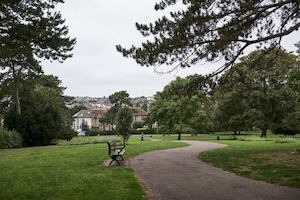
Parks and Green Spaces - Age-friendly parks and green spaces are barrier-free, comfortable to navigate, and offer a choice of activities that foster a sense of belonging for all ages.
They are also places where everybody should feel safe and included. Designs for any new or regenerated parks or green spaces should consider whether sight lines and lighting ensure sufficient visibility to make people feel safe. Does the design avoid dead ends or narrow routes? Are there accessible toilets, clear signage, and adequate seating?
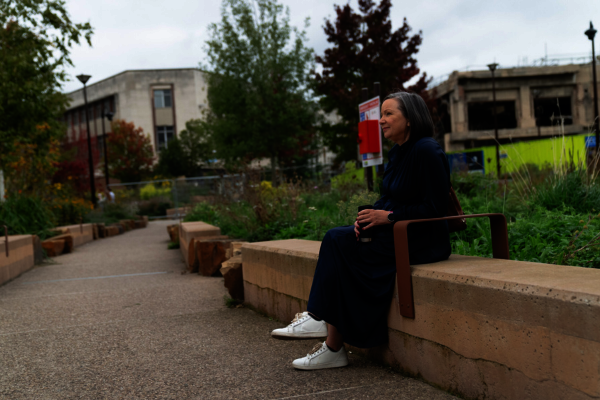
Streets and Pavements - Age-friendly streets and pavements enable residents and visitors to reach their destination while promoting health and social connection along the way. Insufficient age-friendly consideration creates inaccessible and unwelcoming environments that put people at greater risk of injury or feeling unsafe or isolated.
Important considerations include ensuring ground surfaces are firm, even, step-free and slip-resistant. Pavements should be wide enough for people to pass with mobility devices, shopping, luggage, or prams and be clear from obstructions. Lighting should be even and not create high contrast which can make it harder to perceive the space and people. Opportunities for shelter should be provided at regular intervals throughout the street to allow people to hide from the Great British weather when necessary.
Toilets – A lack of access to toilets can be a barrier to people going out and can harm people’s health if they feel obligated to hold off visiting the bathroom or reduce fluid intake because of a lack of facilities. Again, considered design is key. Support rails and grab rails should contrast visually with the wall and have a surface that provides a good grip when wet. Floors should be slip-resistant, especially when wet, and non-shiny to avoid disorienting reflections and glare.
At the heart of effective age-friendly approaches to Pride in Place regeneration will be collaboration and engagement.
Handing down power to regional decision makers is not an automatic antidote to top-down thinking. It is vital that all Pride in Place boards work with residents and actively engage with a diverse range of local people, including older residents, to understand what they need from the new community regeneration projects, whatever shape they take. We would want to see all projects across the country bring stakeholders together including engaging all relevant council departments, other relevant authorities, community members and local businesses to discuss project priorities.
If ultimately the Pride in Place programme is to be successful, projects will have to meet three key aims:
- To build stronger communities
- To create thriving places
- To empower people to take back control
These aims are only achievable if the process includes listening to the needs of older people, these aims are only achievable through adopting an age-friendly approach.
This article first appeared in the Local Government Chronicle.