








These case studies show the wide range of actions communities are taking, from small, low-cost changes to more ambitious, long-term approaches. By sharing what’s already making a difference, these age-friendly practices help inspire communities, adapt good practice for their own context, and build on existing momentum rather than reinventing the wheel.
Further age-friendly practice examples can also be found within the Age-friendly Communities handbook, Age-friendly Communities Impact Report and Age-friendly Town and Parish guides.
Case Study: Trinity Leeds Shopping Centre
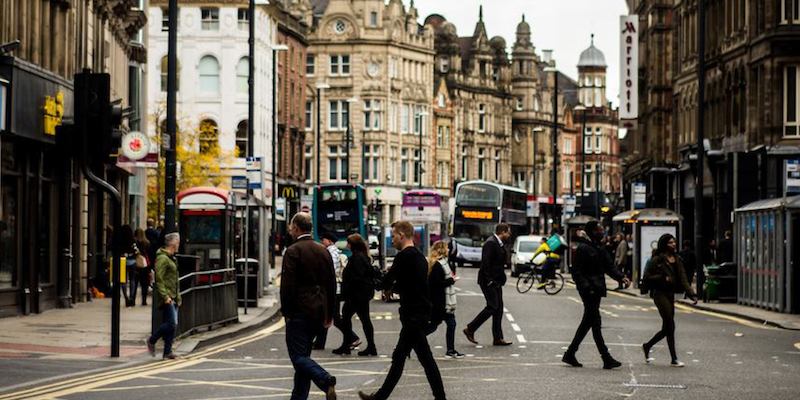
Making shopping centres more age-friendly by making it easier and safer to shop independently and engage with the local community can benefit a range of people not just older people. This case study shows how Trinity Leeds has listened to customer feedback from older age adults as well as partner insights to make it more inclusive and accessible to all.
Case Study: Libraries in Manchester
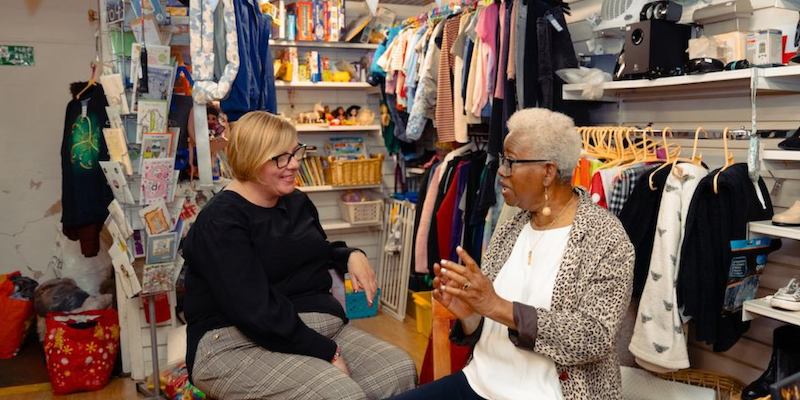
Manchester libraries achieved ‘Age-friendly Libraries’ status in June 2022, recognising their commitment to a set of age-friendly standards. This case study shows how they have adapted services and physical spaces to better meet the needs of older people and highlights the benefits they have seen.
Case Study: Ageing Well Ambassadors in Sunderland
As Age-friendly Communities, places are actively involving older adults, ensuring they have a voice in shaping their environment and the services they use. This case study highlights how Sunderland City Council established a network of ‘ambassadors’ to help achieve these goals.
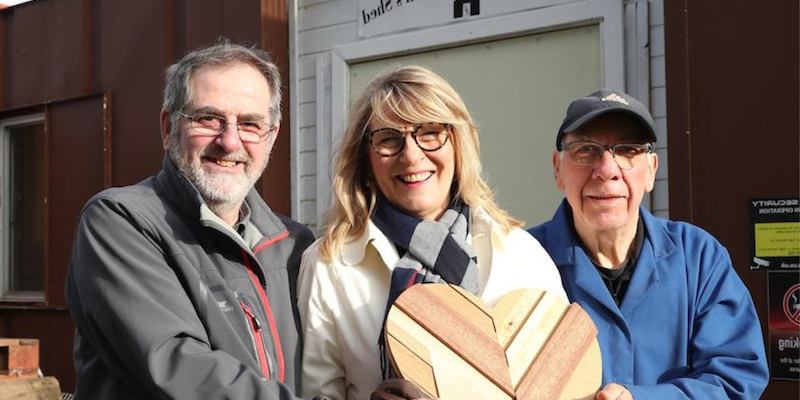
Case Study: Reaching out to rural areas - South Lanarkshire's mobile Men's shed
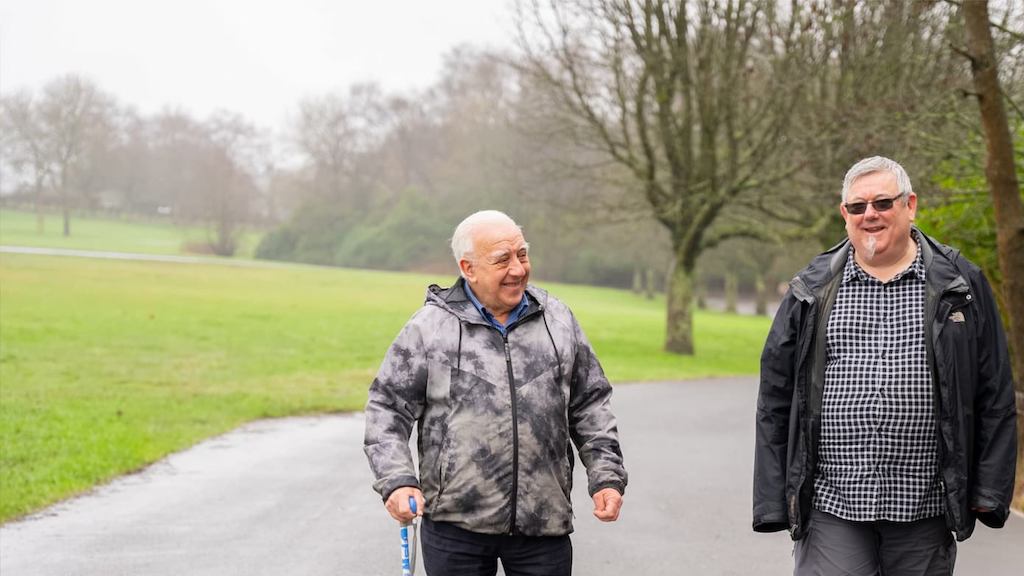
The project was run by Seniors Together – a team working within South Lanarkshire Council, in partnership with a network of organisations, to achieve an improved society for older people. This case study explores the project and its benefits in accessing social support. South Lanarkshire Council used a mobile Men’s Shed to reach isolated older men in rural areas.