We want more people to be more physically active in later life. Maintaining and improving muscle strength and balance can help people in later life live independently and reduce the risk of falls.
Youngest baby boomers risk becoming a ‘forgotten generation’ with inequality skyrocketing and financial pressures worsening
Our new report finds that people in their 50s and 60s today face worse circumstances than the cohort before them, with 1 in 5 people in this age group likely to face multiple, long-term problems.
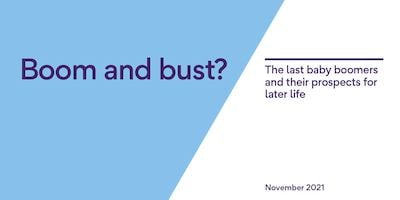
Boom and bust? The last baby boomers and their prospects for later life
This report shows that prospects for people currently in their 50s and 60s have worsened considerably across many key aspects of life – such as health, work, housing and finances – when compared to people who were at the same age at the turn of the millennium.
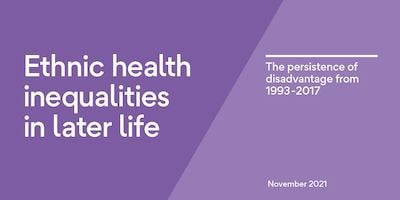
Ethnic health inequalities in later life: The persistence of disadvantage from 1993-2017
This briefing presents the findings of recent research from the Universities of Sussex and Manchester. It looks at ethnic inequalities in health in later life in the UK.
Health of some ethnic minority groups in the UK equivalent to White people at least 20 years older, according to a new study
New study reveals stark ethnic health inequalities across the population, with differences in health among different groups particularly pronounced in later life.

‘Pushing at an open door’: Taking advantage of the shifts in active travel during the pandemic
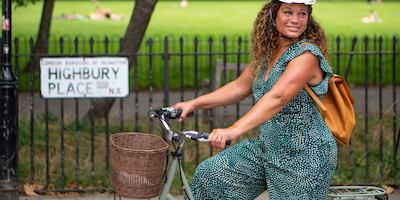
During the pandemic, quieter roads and the rapid deployment of infrastructure led to an increase in cycling. It’s crucial that we continue this increased uptake in active travel for 50-70 year olds.
Helping people age better: The role of physical activity and active travel
Physical inactivity is a major risk factor for the development of poor health in later life and active travel is one way to improve levels of physical activity.