We want more people to be more physically active in later life. Maintaining and improving muscle strength and balance can help people in later life live independently and reduce the risk of falls.
Two years on from our strategy, Transforming later lives, we look back on our achievements before and during the COVID-19 pandemic in 2019-20 across our priority work areas.
Age-friendly case study: Sefton’s older people at the heart of partnership working
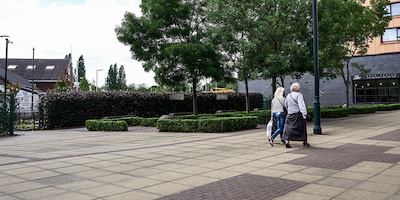
Sefton, a borough within the Liverpool City Region, is working progressively with members of its neighbourhoods to help make the area more age-friendly.
How has COVID-19 changed the landscape of digital inclusion?
This briefing looks at how COVID-19 has impacted older people's internet use and sets out recommendations that will help ensure fewer people are digitally excluded.
Urgent action needed to bridge digital divide in event of second lockdown
With nearly a fifth of over 65s not using the internet, much more action is needed to support older people in preparation for a possible second lockdown.
COVID-19 has shown that it’s not just kids at risk from obesity
Data shows it is people in their 50s and 60s who are most likely to be overweight, with around seven in ten people in this age group classified as either overweight or obese.
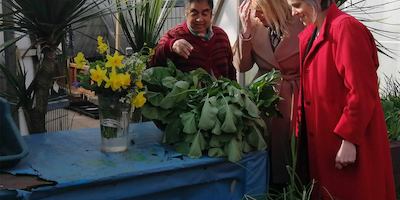
Community gardens need to be age-friendly and inclusive through COVID-19 recovery
Growing our own food does not just provide a local source of fresh fruit and vegetables at a time of uncertainty for the food supply chain, but it also plays an important role in maintaining positive mental health and a sense of connectedness.