Home is where most people want to be in later life and 80% of homeowners aged 65 and over wish to stay where they are. Homes are important for health and wellbeing – home adaptations can delay a move into residential care by four years.
England’s crumbling housing stock: Lack of effective government action to blame
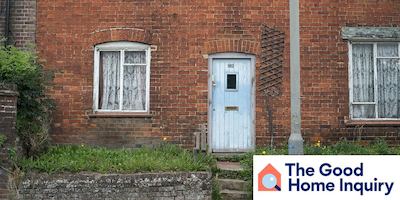
A lack of action from central government has contributed to a crisis in housing quality with ten million people living in homes that don’t meet basic standards and are a serious hazard to their health.
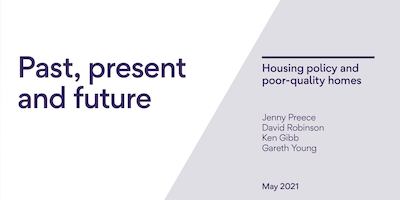
Past, present and future: Housing policy and poor-quality homes
This report presents a series of recommendations for addressing the widely acknowledged crisis in housing quality in England and its impact on older people.
How can we cut our carbon emissions and make England’s homes fit for purpose?
The poor quality of England’s homes is a threat to our nation's health and our commitment to cut greenhouse gas emissions by 2050. But while the government is slow to act, regional and smaller-scale initiatives are leading by example.
Cold homes kill people – and the planet. It’s time for an upgrade
With the government set to announce an ambitious new pledge to cut carbon emissions this week, we must see strategic action in improving our homes as part of its long-term plans.
How can we tackle the financial barriers that prevent us from improving our homes?
The Good Home Inquiry is examining how to address the differing finance needs, from funding small repairs and adaptations to comprehensive, whole house upgrades.
A webinar hosted by the Good Home Inquiry, which explored how to overcome the financial challenges people experience when attempting to improve their homes.